
How to Eat Cleaner Without
Changing Everything at Once
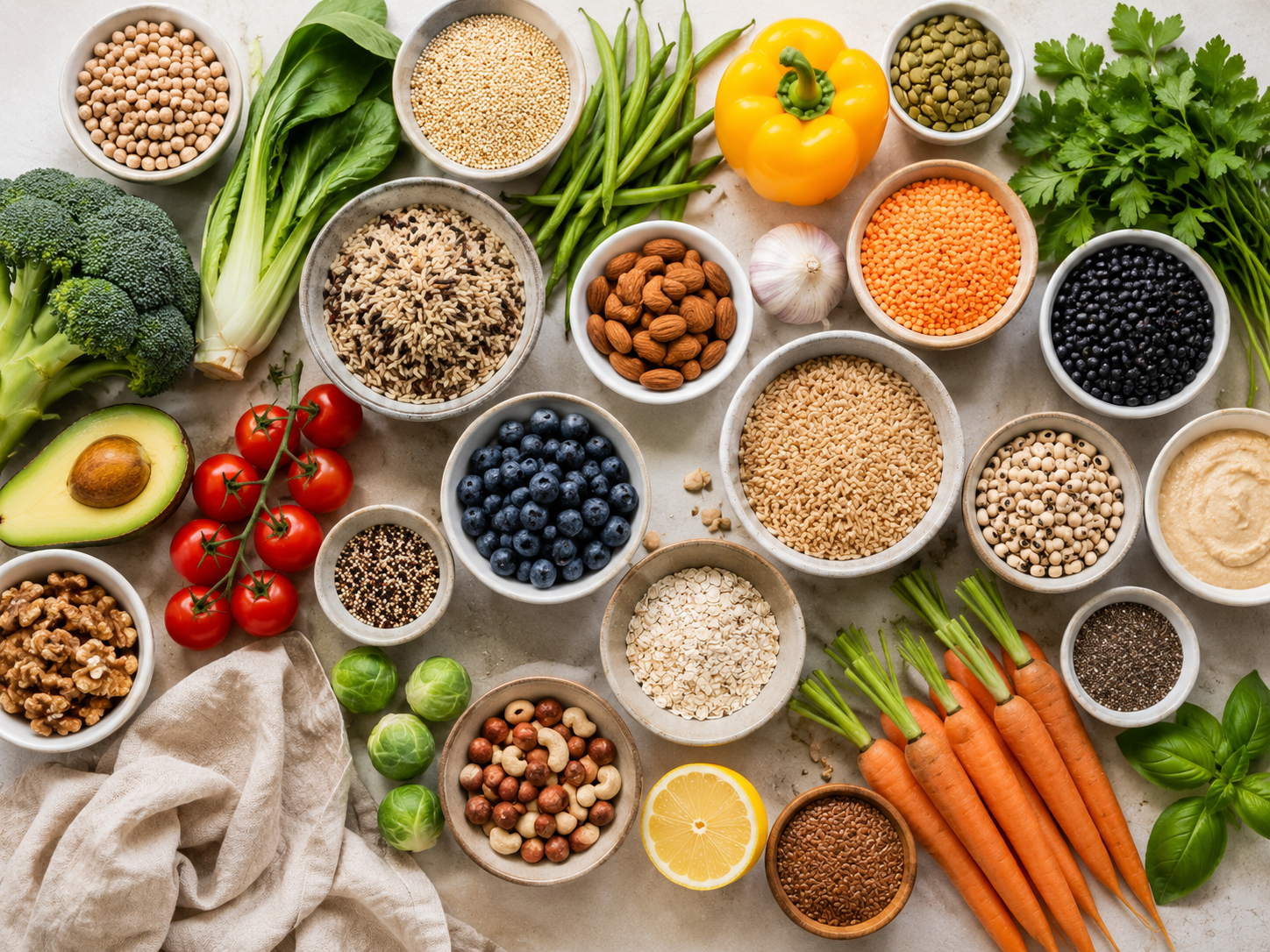
Every clean eating article seems to start the same way: clear out your pantry, overhaul your diet, meal prep on Sundays, eliminate six food groups. No wonder most people give up before they start. There’s a quieter approach — and it actually works.
I didn’t change how I ate overnight. I made one swap. Then another. Then another. Three years later my diet looks completely different, but at no point did it feel like deprivation or a project. That’s the version of clean eating worth talking about.
Why overhauls fail
The research on habit change is pretty consistent: the bigger the change you attempt, the more willpower it requires, and willpower is a finite resource. A complete diet overhaul demands enormous effort every single day — new recipes, new shopping habits, new ways of thinking about food — all at once. Most people manage it for two or three weeks before the effort exceeds their motivation.
One swap at a time requires almost no willpower at all. You’re changing one decision, in one context, until it becomes automatic. Then you change one more. The cumulative effect over months is dramatic. The day-to-day experience is easy.
The rule: Never attempt more than one new food habit at a time. Wait until the new thing feels completely automatic — usually two to four weeks — before adding another. This is not slow. This is how change actually sticks.
Where to start
The swaps with the highest impact tend to be the ones you make most often. Here’s where I’d begin, roughly in order of how much difference each one makes:
- Vegetable oils (canola, soybean, corn)→Olive oil or avocado oil
- Sugary breakfast cereals→Oats, eggs, or whole fruit
- Flavored yogurt→Plain full-fat yogurt with fresh fruit
- White bread and pasta→Sourdough, whole grain, or legume-based
- Processed snack foods→Nuts, seeds, fresh or dried fruit
- Soda and sweetened drinks→Sparkling water, herbal tea, black coffee
- Conventional deli meat→Whole roasted meat or quality tinned fish
- Store-bought salad dressing→Olive oil, lemon, salt — done
The practical method
Pick one swap from the list above
Choose the one that feels most achievable given your current habits — not the one with the biggest impact. The best swap is the one you’ll actually do.
Make it frictionless
The new food needs to be as easy to reach for as the old one. Keep olive oil next to the stove. Put the nuts in a bowl on the counter. Pre-wash fruit and put it at eye level in the fridge. Environment design beats willpower every time.
Don’t grade yourself on slip days
You’ll have the old thing sometimes. That’s fine. The goal is a shift in the average over time, not perfection on any given day. One “off” meal doesn’t undo weeks of progress — but quitting because of one off meal does.
Wait until it’s boring before adding the next swap
The sign that a habit has stuck is that it stops feeling like a choice — you just do it. Once reaching for olive oil instead of canola feels completely automatic, pick your next swap. Not before.
What clean eating actually means
It doesn’t mean organic everything, or avoiding entire food groups, or spending more money than you have. At its core, eating cleaner just means eating more food that looks like food — things that were grown or raised, with ingredients you can picture. And less food that was engineered in a factory to be impossible to stop eating.
That’s it. No elimination diet required. No meal prep marathon. Just a slightly better next choice, made over and over, until one day you look at what you’re eating and barely recognize how different it looks from where you started.
The Cleaner Life take
Clean eating is not a destination you arrive at. It’s a direction you keep moving in. Start with one swap this week. Just one. The rest will follow.
Comments